









Advertisement
Advertisement
Advertisement

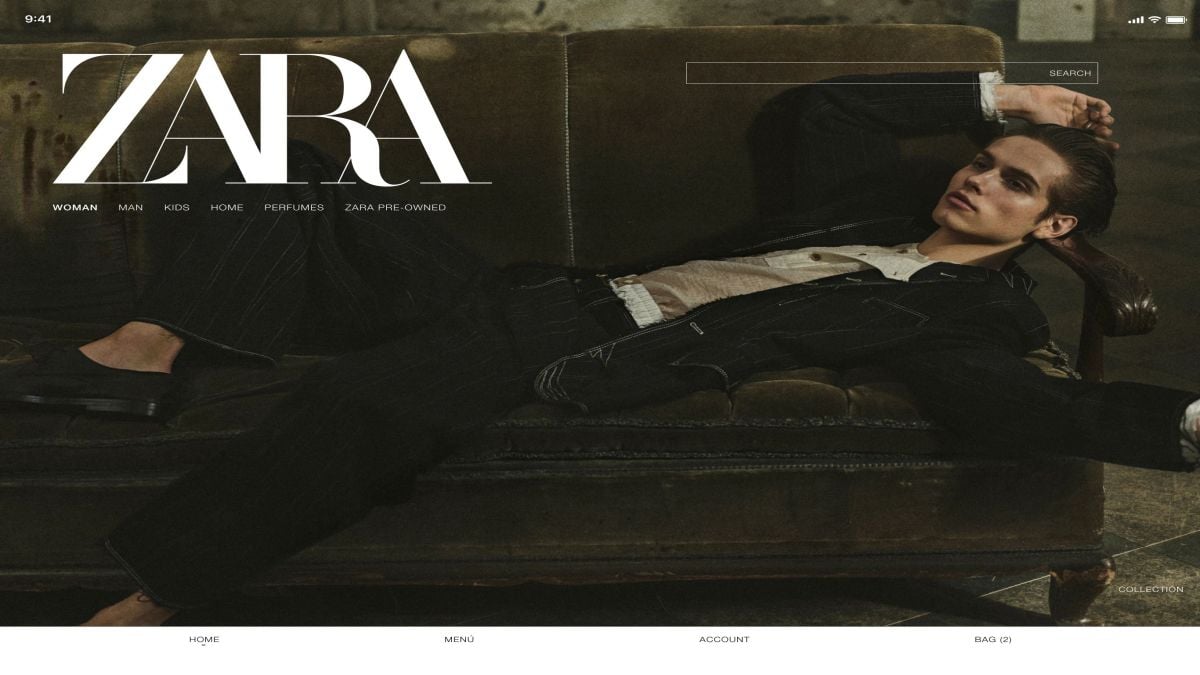
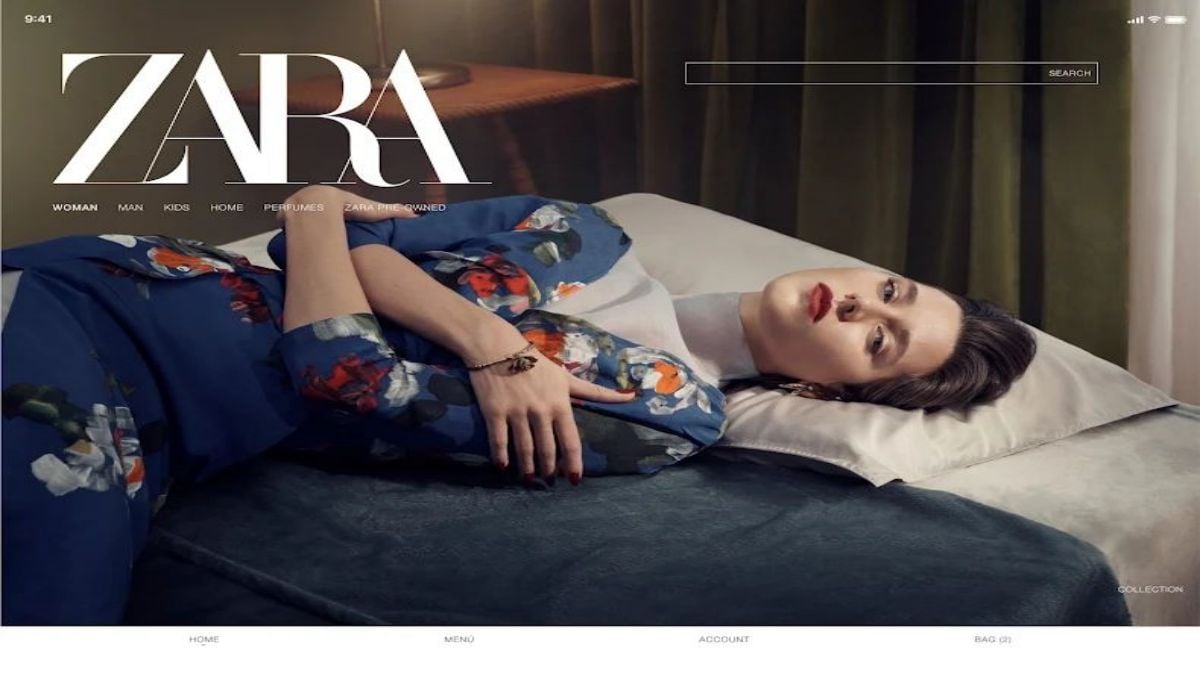
ZARA as a globally recognized fashion brand and also the flagship brand of Inditex Group, has rapidly become a leader in the global retail industry since its birth in Spain in 1975. Its success stems not only from fashionable clothing design and high quality products, but also from its unique business model and efficient supply chain management system. This paper will introduce ZARAs software system in depth.
First of all, ZARAs software system is famous for its efficient supply chain management. The system utilizes a highly integrated information system that closely connects multiple links such as design, production, logistics and sales. By tracking inventory levels, sales data and market demand in real time, ZARA is able to make production and distribution decisions quickly, thus reducing inventory backlogs, speeding up product shelves, and improving operational efficiency and market responsiveness.
Second, ZARAs software system includes design and production management modules. Designers can directly access market data and consumer feedback through the system to adjust the design direction in a timely manner. The production management module flexibly arranges production plans based on sales forecasts and inventory to ensure that products are released to the market in the shortest possible time. In addition, the system also supports the management of fabrics and production processes to ensure the consistency of product quality and the efficiency of the production process.
Again, ZARAs software system excels in retail management. Including POS system, CRM system and inventory management system, the POS system collects and analyzes sales data in real time to help store managers understand the sales situation and inventory status; the CRM system records customers purchase history and preferences to provide data support for personalized marketing; and the inventory management system ensures timely replenishment of stores to avoid stock-outs or backlogs.
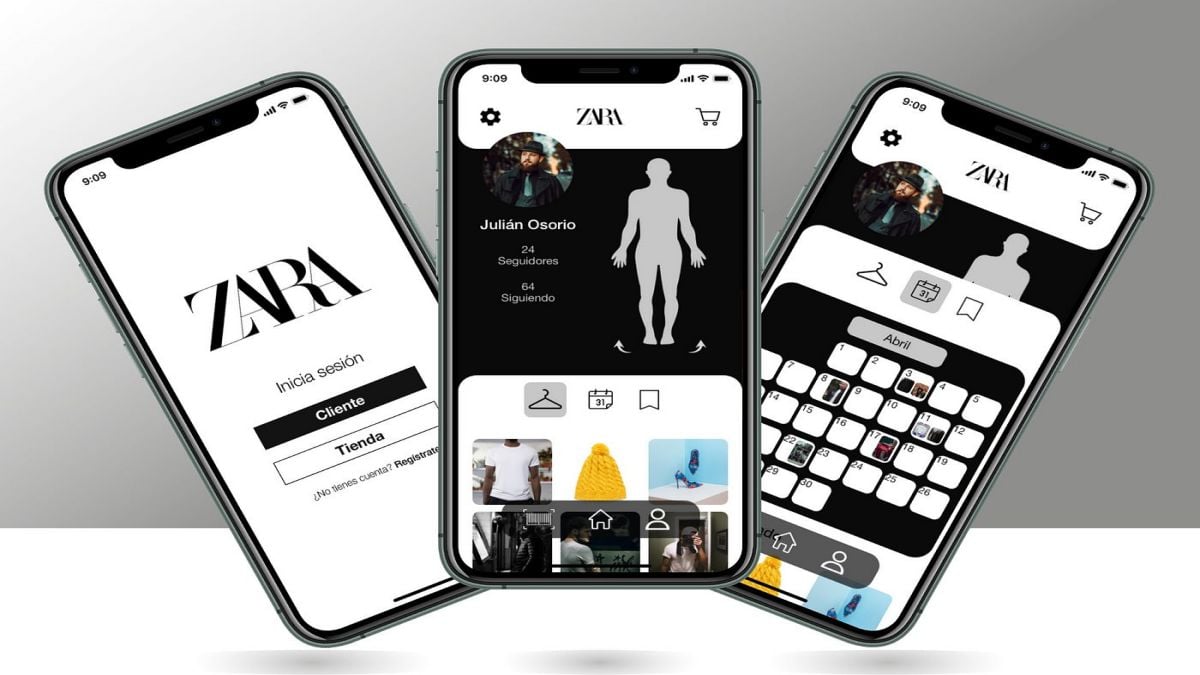
In addition, with the development of e-commerce, ZARA actively embraces digital transformation. Its software system includes a powerful e-commerce platform management module that supports seamless online shopping and offline stores. Consumers can place orders through the official website or mobile apps and choose delivery to home or store pickup. The system s online and offline inventory data in real time to ensure inventory accuracy and timely order processing. Meanwhile, through data analysis and artificial intelligence technology, it provides consumers with personalized recommendations and marketing services to enhance the shopping experience.
Finally, ZARAs software system integrates advanced data analysis and decision support tools. By analyzing massive amounts of data, ZARA is able to capture market changes in a timely manner and optimize product mix and pricing strategies. The system also predicts future market demand, guides production and purchasing plans, reduces waste and costs, and improves operational efficiency.
ZARA has always emphasized innovation and continuous improvement, and its software systems are constantly being iterated and upgraded. In recent years, ZARA has introduced artificial intelligence and machine learning technologies for market analysis, demand forecasting and supply chain optimization. For example, it develops intelligent design tools and uses algorithms to generate design solutions and shorten the design cycle; it uses big data analysis to optimize logistics paths and reduce transportation costs and time. Through technological innovation, ZARAs software systems play an important role in improving operational efficiency, reducing costs and increasing customer satisfaction.